

Understanding Diabetes
- unlocktimeforyou
- Jan 28, 2024
- 3 min read
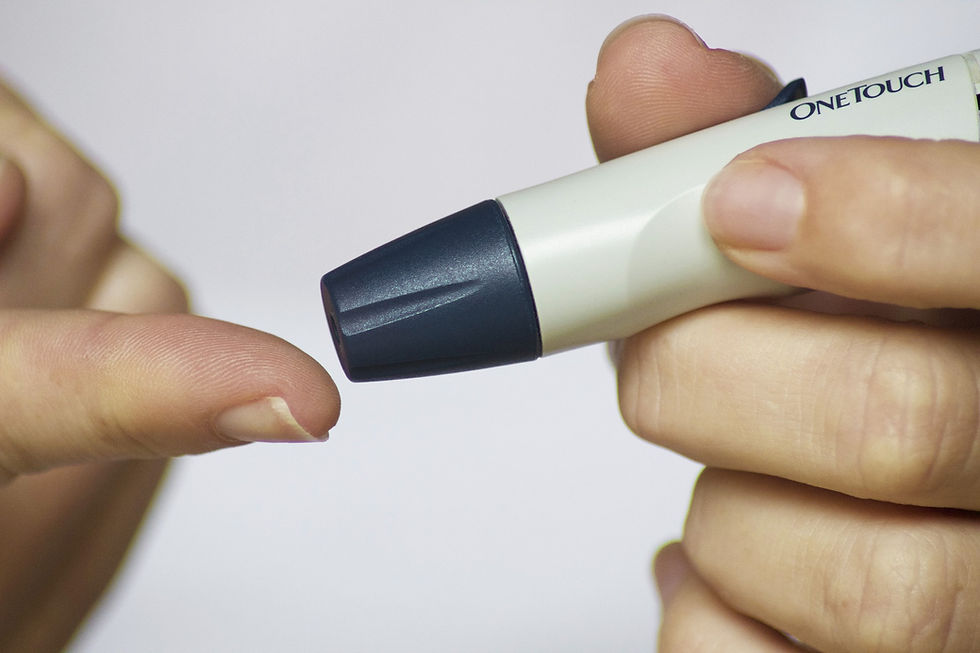
Diabetes is a chronic disease that affects millions of people worldwide. It is characterised by high blood sugar levels, which can lead to various complications if not properly managed. In this blog, we will explore the different types of diabetes, its causes, symptoms, and the importance of early detection and management.
Types of Diabetes:
There are three main types of diabetes: type 1, type 2, and gestational diabetes.
1. Type 1 Diabetes:
Type 1 diabetes, also known as insulin-dependent diabetes, is an autoimmune disease where the immune system mistakenly attacks and destroys the insulin-producing cells in the pancreas. This type of diabetes usually develops in childhood or adolescence and requires lifelong insulin therapy.
2. Type 2 Diabetes:
Type 2 diabetes is the most common form of diabetes, accounting for around 90% of all cases. It occurs when the body becomes resistant to the effects of insulin or doesn't produce enough insulin to maintain normal blood sugar levels. Type 2 diabetes is often associated with lifestyle factors such as obesity, sedentary lifestyle, and poor diet.
3. Gestational Diabetes:
Gestational diabetes occurs during pregnancy and usually resolves after childbirth. It is caused by hormonal changes that affect insulin production and utilisation. Women who develop gestational diabetes have an increased risk of developing type 2 diabetes later in life.
Causes and Risk Factors:
The exact causes of diabetes are not fully understood, but several factors contribute to its development:
1. Genetic Predisposition: Having a family history of diabetes increases the risk of developing the disease.
2. Obesity: Excess body weight, especially around the waist, increases the risk of developing type 2 diabetes.
3. Sedentary Lifestyle: Lack of physical activity and a sedentary lifestyle contribute to insulin resistance and the development of type 2 diabetes.
4. Unhealthy Diet: Consuming a diet high in processed foods, sugary beverages, and saturated fats increases the risk of developing diabetes.
Symptoms:
The symptoms of diabetes can vary depending on the type and severity of the disease. Common symptoms include:
1. Frequent urination
2. Excessive thirst
3. Unexplained weight loss
4. Fatigue
5. Blurred vision
6. Slow healing of wounds
7. Recurring infections, such as urinary tract infections
Importance of Early Detection and Management:
Early detection and management of diabetes are crucial to prevent complications and improve quality of life. If left untreated or poorly managed, diabetes can lead to serious health problems, including:
1. Cardiovascular Disease: Diabetes increases the risk of heart disease, stroke, and high blood pressure.
2. Kidney Disease: Diabetes is a leading cause of kidney failure, requiring dialysis or kidney transplantation.
3. Nerve Damage: High blood sugar levels can damage the nerves, leading to peripheral neuropathy, which causes numbness, tingling, and pain in the extremities.
4. Eye Problems: Diabetes can cause diabetic retinopathy, a condition that affects the blood vessels in the retina and can lead to vision loss.
5. Foot Complications: Diabetes can cause nerve damage and poor blood circulation in the feet, increasing the risk of foot ulcers and infections.
Prevention and Management:
While type 1 diabetes cannot be prevented, type 2 diabetes and gestational diabetes can often be prevented or delayed through lifestyle modifications:
1. Maintain a Healthy Weight: Losing excess weight and maintaining a healthy body weight can reduce the risk of developing type 2 diabetes.
2. Eat a Balanced Diet: Choose foods that are low in sugar, saturated fats, and processed carbohydrates. Include plenty of fruits, vegetables, whole grains, and lean proteins in your diet.
3. Engage in Regular Physical Activity: Aim for at least 150 minutes of moderate-intensity aerobic exercise per week, along with strength training exercises.
4. Monitor Blood Sugar Levels: Regularly monitor your blood sugar levels if you have diabetes, and follow your healthcare provider's recommendations for medication, insulin, or lifestyle modifications.
Conclusion:
Diabetes is a serious and prevalent disease that requires lifelong management. By understanding the different types of diabetes, its causes, symptoms, and the importance of early detection and management, we can take proactive steps to prevent the onset of diabetes or effectively manage the disease if diagnosed. Remember, a healthy lifestyle and regular medical check-ups are key to living a fulfilling life with diabetes.


